.svg)

Optimize Efficiency, Maximize Profit
Effective Power from Heat Source Energy
At Heat Source Energy, we transform wasted, low-grade heat into a powerful source of clean, sustainable electricity
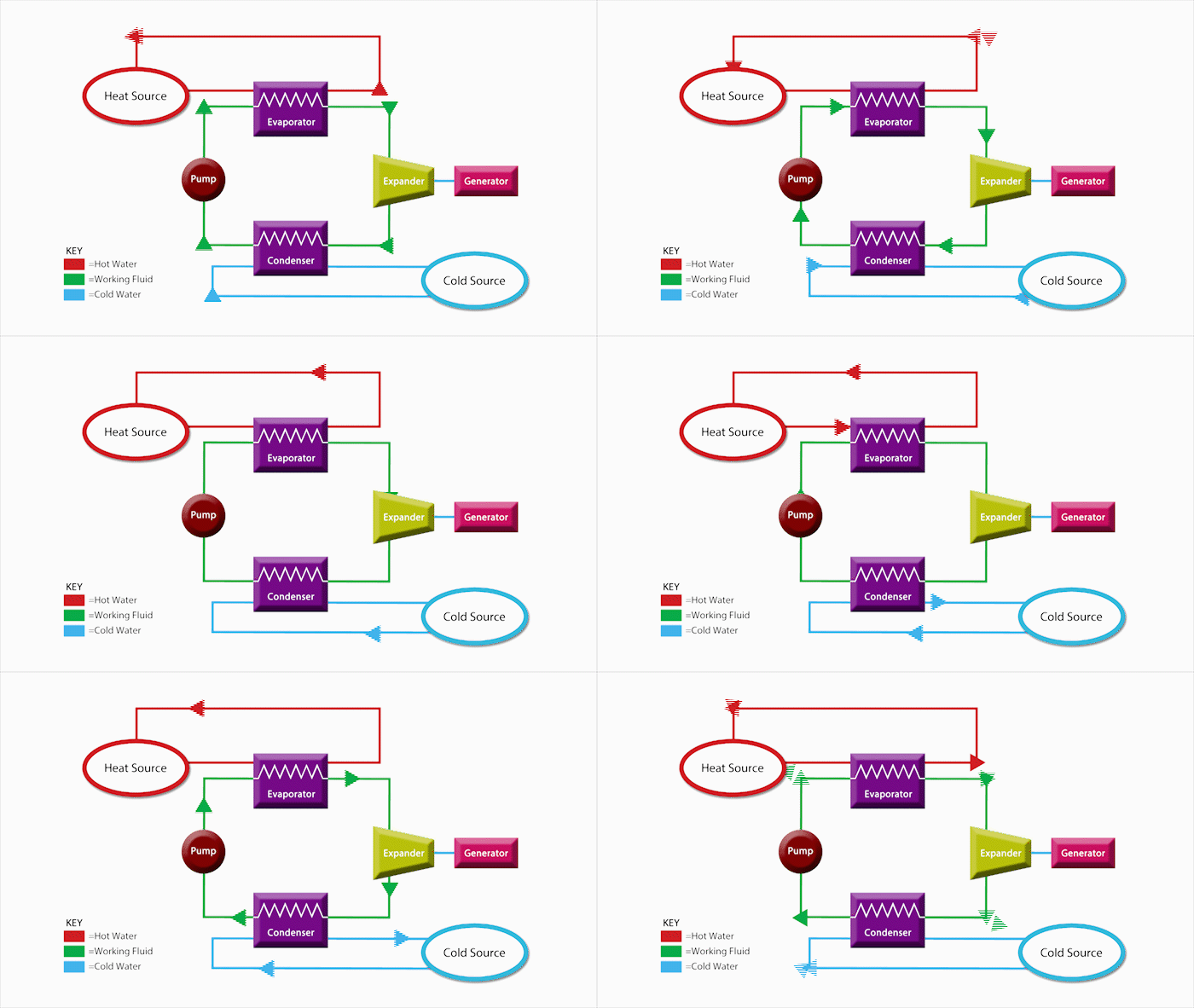
How Does It Work?
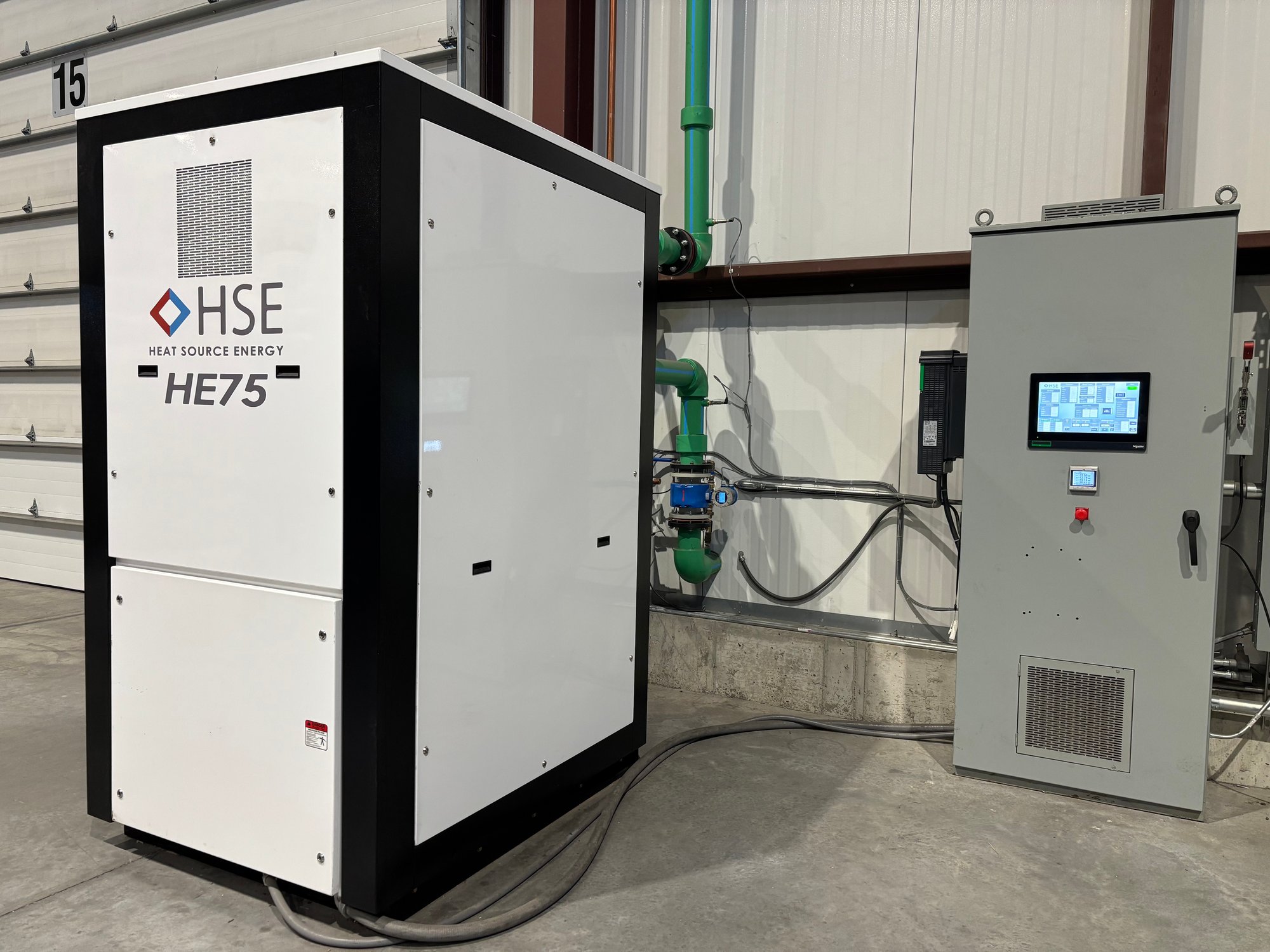
Our proprietary heat engine captures energy from industrial waste, geothermal sources, and other low- temperature systems, converting otherwise lost heat into usable power. Engineers value its precision and seamless integration, while leaders quickly see the benefits—reduced energy costs, minimized carbon footprint, and improved profitability.
With scalable technology adaptable across industries, our heat-to-power systems support corporate sustainability goals, helping businesses meet regulatory requirements while enhancing operational efficiency. Heat Source Energy empowers companies to turn waste into a renewable asset for a competitive advantage.
See It Work For You
Power Production
Why HSE’s thermodynamic process works:
-
Converts untapped waste heat into usable electricity.
-
Requires no additional fuel or combustion.
-
Integrates into existing systems with minimal disruption.
Impacts:
-
Higher efficiency: Recovers energy that would otherwise be lost.
-
Lower energy costs: Onsite generation offsets grid electricity.
-
Improved sustainability: Clean power supports emissions reduction goals.
Compared to alternatives:
-
No new fuel systems or combustion equipment
-
No large electrical loads or peak-rate exposure
-
No major process redesign
Bottom line: You generate reliable, clean power from existing assets, lowering costs and improving efficiency without changing how your operation runs.
Emission Reduction
Why HSE’s Heat Engine helps:
- Converts existing waste heat into usable power or cooling instead of burning additional fuel.
- No combustion occurs in the ORC itself.
Impacts:
- Direct CO₂ reduction: Less electricity purchased from the grid (or less onsite fuel burned) → fewer Scope 2 and Scope 1 emissions.
- NOₓ, SOₓ, PM reductions: Since it offsets combustion-based power or cooling, criteria pollutants drop as well.
- Decarbonization of “hard-to-abate” heat: Low quality waste-heat ~200°F heat is normally unusable—We allow you to monetize it without new emissions sources.
Bottom line: You get emissions reduction without changing the primary process, which is much easier than fuel switching.
Operational Cost Reduction
Key cost advantages:
- Free fuel: Waste heat has zero marginal fuel cost.
- Lower electricity purchases: HSE generated power offsets grid electricity or drives cooling systems.
- High availability: Our systems have few moving parts (typically a turbine and pump), resulting in low maintenance.
Compared to alternatives:
- No boilers, burners, or fuel logistics
- No large chillers consuming peak-rate electricity
- Predictable O&M vs volatile energy prices
Typical cost outcomes:
- Reduced energy bills (electric + cooling)
- Lower peak demand charges
- Long equipment life (20+ years common for hardware)
Increased Cooling Capacity
This is where Heat Source Energy’s approach is especially interesting.
Mechanism:
- Waste heat → Heat Engine → mechanical/electrical output → drives cooling (directly or indirectly)
- HSE’s Heat Engine can support:
- Waste-heat-driven cooling
- Reduced load on existing electric chillers
- Reduced cooling load on fuel generators
Operational benefits:
- Adds cooling capacity without increasing electrical demand
- Shifts cooling off peak electricity hours
- Improves system redundancy (backup cooling when grid power is constrained)
Real-world effects:
- More cooling available during high ambient temperatures
- Less stress on chillers and compressors
- Improved uptime for heat-sensitive processes (data centers, industrial plants, CHP sites)